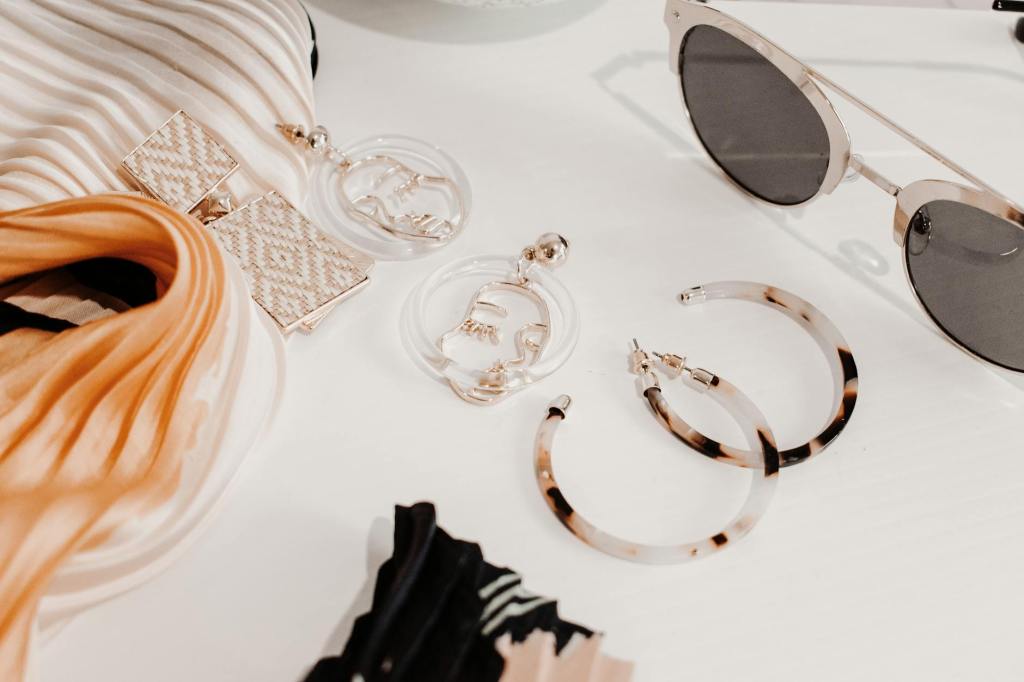
There are objects one acquires, and others one keeps.
The distinction, though subtle, is telling.
In a world increasingly defined by accumulation, it is easy to mistake possession for meaning. Things are bought, displayed, replaced — often with little time afforded for attachment. The cycle is efficient. It is also forgettable.
And yet, certain objects resist this rhythm.
They remain.
Not because of rarity alone, nor value, nor even beauty — though they may possess all three — but because they have, in some quiet way, become part of one’s internal landscape. A pen that writes with a familiar weight. A book that carries the faint impression of a previous afternoon. A glass that catches light in a way that feels unexpectedly personal.
These are not merely things. They are markers.
Markers of where one has been, what one has noticed, and, perhaps most importantly, what one has chosen not to discard.
Taste, in this context, reveals itself not through acquisition, but through retention.
What one chooses to keep speaks more precisely than what one chooses to obtain. It suggests a relationship with objects that extends beyond utility — one that allows for memory, for continuity, for a certain kind of quiet ownership.
This is where luxury, at its most refined, begins to separate itself from consumption.
Because true luxury is not defined by the frequency of acquisition, but by the depth of attachment. It is not concerned with having more, but with having well. With surrounding oneself not with abundance, but with intention.
There is, after all, a discipline to keeping.
It requires discernment. The ability to recognize what will endure — not materially, but personally. What will continue to hold relevance long after its novelty has faded.
And in a culture that encourages constant replacement, this discipline becomes increasingly rare.
Perhaps that is why the most compelling spaces — the most considered lives — often appear understated. Not empty, but edited. Not sparse, but deliberate.
Every object present has, in some way, been chosen more than once.
Once at the moment of acquisition.
And again, each time it was not removed.
What remains is never accidental. It is, almost always, a reflection.
With continued discernment.

